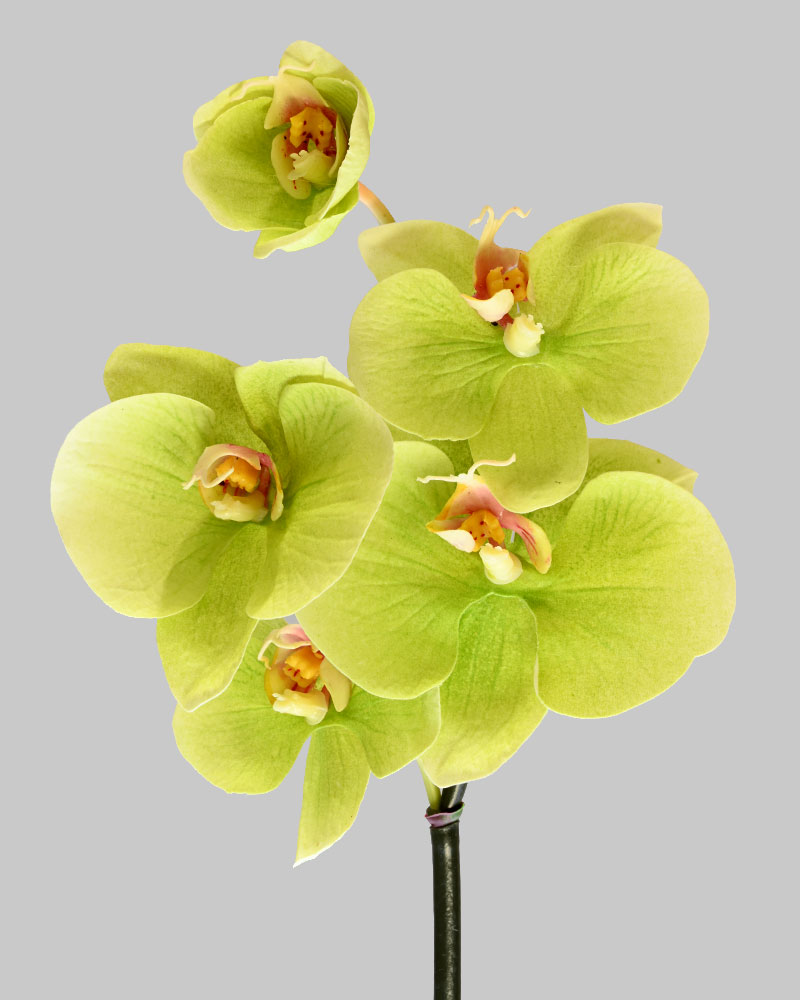
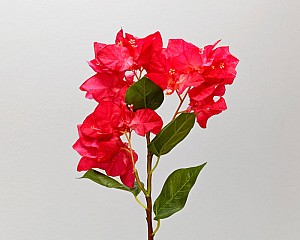
Orchids are undoubtedly one of the most popular and revered flowers, and for good reason. With their captivating beauty, elegant blooms, and incredible variety of colours and forms, they are a striking addition to any space. However, many people struggle with keeping orchids thriving long after their flowers have faded. But with a bit of understanding about their unique needs, orchids can continue to provide stunning displays of flowers year after year. In nature, orchids are epiphytes, meaning they typically grow attached to tree bark, with their roots exposed to air. Unlike traditional plants, orchids need air circulation around their roots and cannot tolerate soggy soil.
Once the blooms have finished, it’s important to prune the flower spike and repot the orchid in a container designed for orchids, which allows for airflow to the roots. A well-draining mix is key, and a custom blend of sphagnum moss, bark, peat moss, and perlite works best. Orchids prefer slightly acidic soil and do best when watered only when their roots look shrivelled and grey; when the roots are healthy and plump, they have enough moisture. These plants thrive in humid conditions, much like their native rainforest habitat, so avoid placing them near heating vents or in areas with dry air. Bright, indirect light is ideal, but too much direct sunlight can scorch the leaves and flowers.
For those looking to enjoy the beauty of orchids with less care, consider opting for artificial orchids, which provide all the beauty without the maintenance. Available year-round in a wide variety of colours and types, orchids bring elegance and grace to any home or office, making them the perfect choice for anyone seeking a low-maintenance yet stunning addition to their décor.