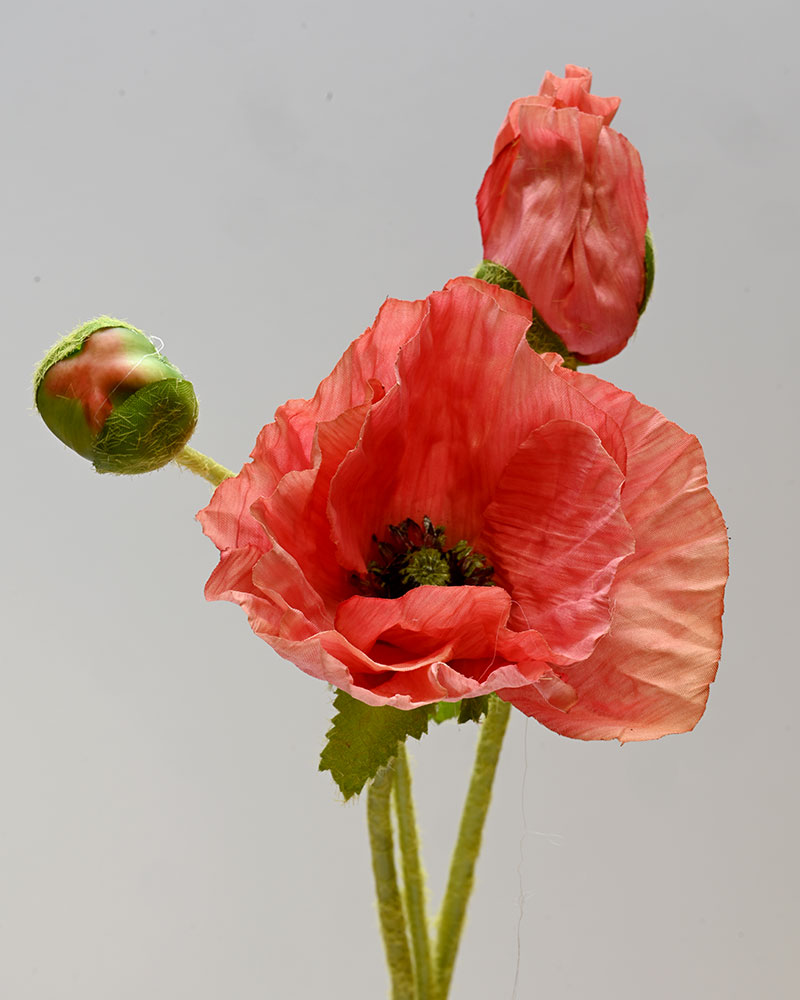
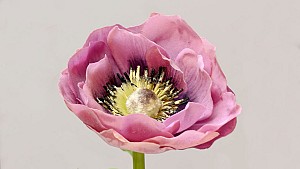
The poppy is a striking and iconic flower, renowned for its delicate, papery petals and vibrant colours that range from fiery reds and oranges to soft pinks and whites. Known for its symbolic significance in remembrance and peace, the poppy brings both beauty and meaning to any garden. With its unique, cup-shaped blooms and attractive seed pods, the poppy is a favourite among gardeners and flower enthusiasts alike.
Poppies thrive best in full sun and prefer well-draining soil with a neutral to slightly alkaline pH. They are relatively low-maintenance plants but do best when given plenty of space to grow and good air circulation to prevent fungal diseases. Plant poppy seeds directly in the garden in early spring or fall, depending on your climate, as they don’t transplant well. Sow seeds on the surface of the soil and gently press them in, as they need light to germinate. Keep the soil moist until seedlings appear, usually within 7–14 days.
Once established, poppies are drought tolerant and prefer to be watered sparingly—overwatering can lead to root rot. Deadhead spent flowers to encourage continued blooming throughout the growing season. In colder climates, poppies generally reseed themselves, providing blooms year after year with minimal effort.
Ideal for borders, wildflower gardens, and cut flower bouquets, poppies bring a vibrant splash of colour and an air of elegance wherever they grow. Whether you’re planting a wildflower meadow or a formal garden bed, poppies are a beautiful and rewarding choice.