Queen Anne’s Lace is a beautiful wildflower commonly found throughout Europe, often seen along roadsides and in open fields. With a long bloom period and high pollinator appeal, Queen Anne’s Lace certainly makes an impact. It thrives in poor soil conditions and spreads easily, making it highly adaptable. However, due to its vigorous growth and spreading nature, it is considered invasive in North America and is often viewed as a pervasive weed by home gardeners. To manage its spread, it's best to remove flower heads before they go to seed.
Although it will grow almost anywhere, Queen Anne’s Lace prefers full sun and drier soil conditions. It tolerates drought, intense heat, and sun exposure exceptionally well. In fact, it thrives on neglect and prefers to grow undisturbed. The flowers also make excellent, long-lasting additions to cut arrangements.
Use caution when handling or walking near Queen Anne’s Lace, as several look-alike plants are toxic to humans, pets, and livestock. Giant Hogweed, Poison Hemlock, and Cow Parsley all resemble Queen Anne’s Lace to the untrained eye. Misidentifying these plants can lead to burns, skin irritation, or allergic reactions, so it’s best to avoid touching wild specimens unless you’re confident in their identification. Additionally, Queen Anne’s Lace can harbour tiny insects called chiggers, which can cause irritating bites. A quick shower after exposure is the best way to prevent discomfort.
An interesting fact: Queen Anne’s Lace is a relative of the carrot family.
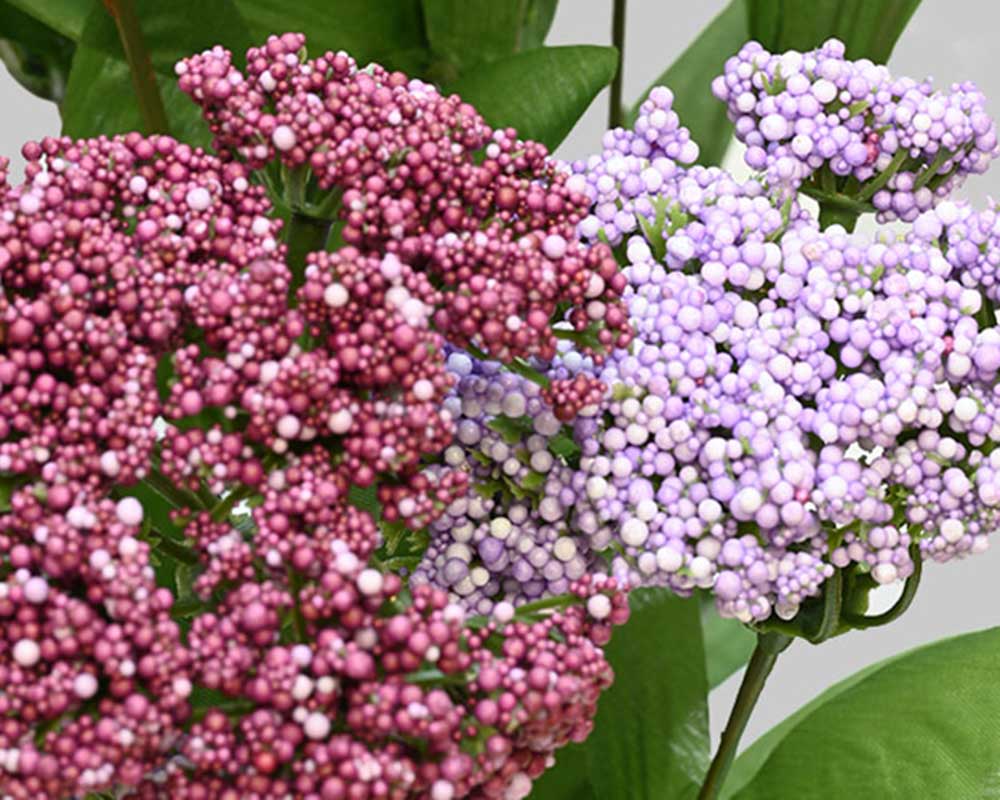
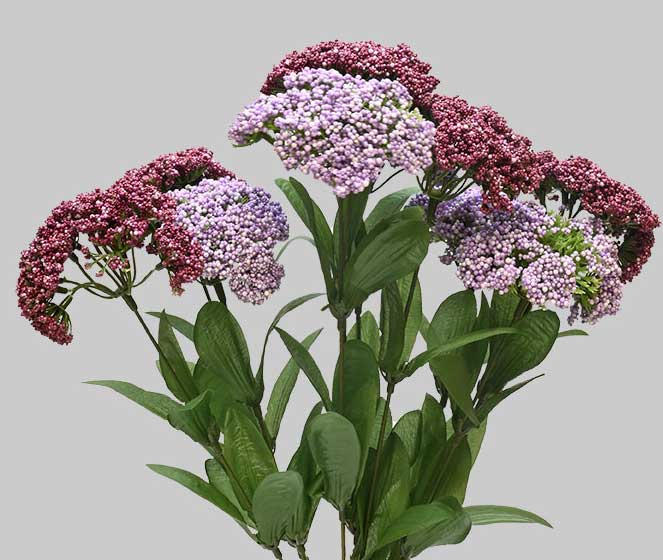
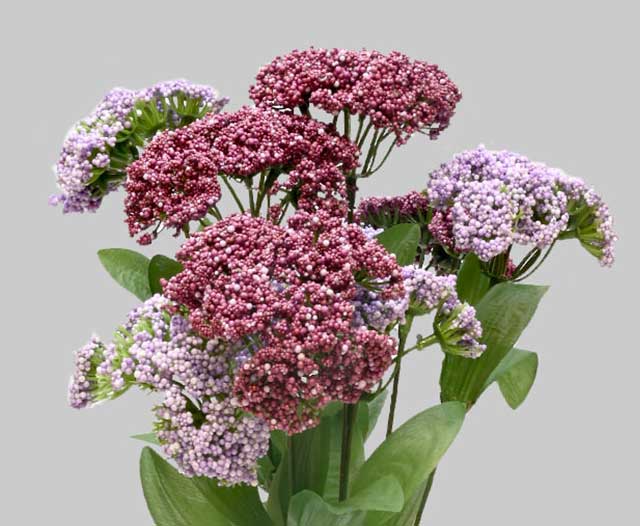
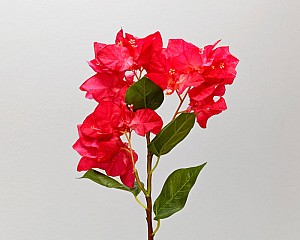
For those who love the delicate beauty of this flower but prefer to skip the downsides, try our artificial variety — the perfect way to add a touch of natural charm to your next arrangement without the fuss.